EN
Image Optimization with next/image and CDN
Learn how to leverage next/image and CDNs for effective image optimization, enhancing LCP and overall web performance.
Read article
Explore the benefits of headless commerce with Stripe and Next.js, focusing on scalability and seamless transactions.
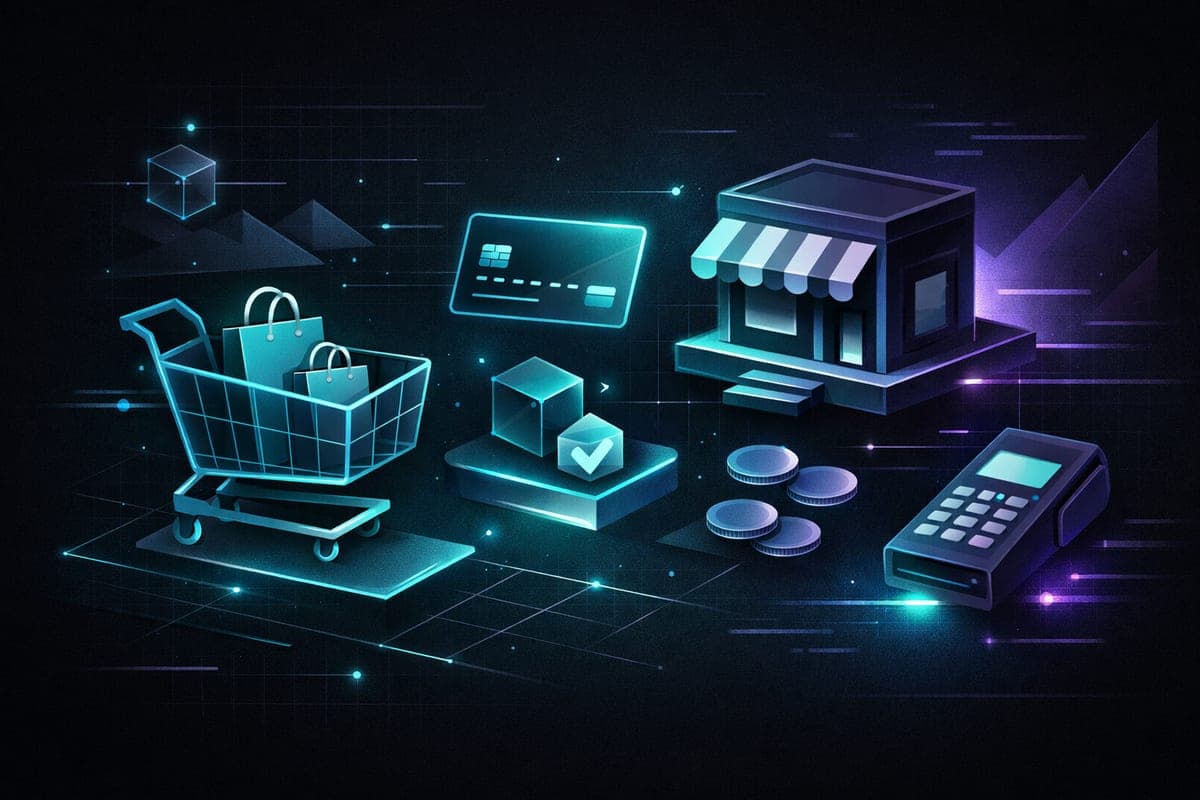
Headless commerce refers to a decoupled architecture where the front-end presentation layer is separated from the back-end commerce functionality. This separation provides clear advantages over traditional e-commerce models, where the front and back-end are tightly integrated. By decoupling these layers, businesses gain the ability to customize their customer experience and adapt to new technologies without overhauling the entire system.
In traditional e-commerce setups, changes to the front-end often require corresponding back-end modifications, leading to increased development time and potential disruptions. In a headless environment, the front-end can innovate independently, allowing for more dynamic user interfaces. This architecture is particularly beneficial for businesses aiming to deliver consistent experiences across multiple channels, such as web, mobile, and IoT devices. For example, a retailer can launch a new mobile app without needing to modify their back-end systems, thus speeding up time-to-market and reducing risk.
Stripe is a payment processing solution that fits well in headless commerce environments. Its API-centric design aligns with the headless model, offering capabilities for managing payments, subscriptions, and billing. Integrating Stripe checkout in a headless setup involves configuring your back-end to communicate with Stripe's API while ensuring your front-end can manage payment flows effectively.
To set up Stripe in a headless architecture, start by integrating Stripe's SDKs into your back-end. This integration allows for secure payment processing and fraud detection. On the front-end, use Stripe Elements or Checkout to create a checkout experience that aligns with your brand's aesthetic. When implementing Stripe, follow best practices such as PCI compliance, secure tokenization, and regular updates of your API keys to enhance security. Additionally, consider implementing webhooks to handle events like payment confirmations or refunds, ensuring a seamless experience for your customers.
Next.js is a framework for building e-commerce storefronts due to its features and performance capabilities. It provides server-side rendering (SSR), static site generation (SSG), and a hybrid approach that ensures fast loading times and improved SEO. These features are crucial for e-commerce applications where speed and visibility can directly impact conversion rates.
To create a Next.js storefront, set up a new Next.js project and configure your routing and data-fetching strategies. Utilize Next.js's API routes to handle server-side logic and integrate with your headless CMS and back-end systems. Implement pages and components for product listings, detail views, and the checkout process, ensuring a responsive design that adapts to various screen sizes. Incorporate state management libraries like Redux or MobX to manage application state efficiently. It's also important to optimize images and assets to further enhance loading times, as slow performance can lead to cart abandonment.
Scaling a headless commerce solution requires a focus on performance optimization and infrastructure. Use caching strategies such as Content Delivery Networks (CDNs) to reduce latency and improve load times. Monitoring tools like New Relic or Datadog can provide insights into system performance and user behavior, allowing for proactive adjustments.
As traffic and transaction volumes increase, ensure your architecture can handle the load by employing auto-scaling techniques and load balancing. Optimize your database queries and use asynchronous processing for non-critical tasks to maintain system responsiveness. Regularly review and update your system architecture to accommodate new technologies and growing business needs. Consider implementing microservices to further enhance flexibility—this allows you to scale individual components of your architecture independently, optimizing resource allocation.
Several brands have successfully implemented headless commerce solutions, resulting in improvements in sales and customer satisfaction. By opting for a headless approach, these companies have delivered personalized experiences across platforms, streamlined their checkout processes, and reduced time-to-market for new features.
For instance, a mid-sized retail brand that transitioned to a headless model with Stripe integration saw a 20% increase in conversion rates within six months. The flexibility to tailor their front-end allowed them to experiment with new user interfaces and optimize their purchase funnel. Another company improved their mobile app experience through headless commerce, resulting in higher engagement and repeat purchase rates. These case studies illustrate the potential of headless commerce when executed with a strategic vision. By leveraging the right technologies and maintaining a focus on customer experience, businesses can achieve significant growth and adaptability in a competitive landscape.
Free download
The pre-flight checklist we use on real migrations — URL inventory, redirects, Core Web Vitals baselines, and launch monitoring.

Learn how to leverage next/image and CDNs for effective image optimization, enhancing LCP and overall web performance.
Read article

Explore how to enhance Core Web Vitals on WordPress and decide if migration is necessary. Practical tips for performance optimization included.
Read article
Explore how to create a design system in Next.js to ensure UI consistency and reduce technical debt through effective component libraries.
Read article