EN
WhoppaTix: Event Ticketing Platform
Real-time ticketing, secure checkout, and admin tooling for event organizers — shipped on Next.js and Stripe.
Read article
Founders do not need an SEO agency on day one — they need a Next.js setup that publishes clean HTML, honest metadata, and fast pages from the first deploy.

Most founders treat SEO like a launch-week checkbox. They add a title tag, run Lighthouse once, and hope Google figures out the rest. With Next.js App Router, you can do better — without bolting on a CMS circus or rewriting your product in PHP.
This post walks through the SEO decisions that matter when you are shipping a marketing site or content engine on Next.js: what to generate at build time, what metadata to expose, and how to avoid the client-side rendering trap that keeps good writing invisible to crawlers.
Blog posts, case studies, and landing pages should render on the server. That means no "use client" on your [slug] route unless you have an interactive widget that truly needs browser state.
Server Components give you three SEO wins immediately:
generateStaticParams pre-renders known URLs so TTFB stays low worldwide.generateMetadata keeps titles and descriptions aligned with each page's actual content.If your blog fetches markdown from the filesystem or git, parse it on the server and convert markdown to HTML before you render. Libraries like marked are fine for marketing content; keep the pipeline simple and auditable.
Generic site titles do not rank. Each post needs:
In App Router, colocate this in generateMetadata next to the page component. Pull values from your post frontmatter so writers cannot forget to update tags when they change a headline.
Add JSON-LD for BlogPosting on article pages and Organization on your root layout. You do not need twenty schema types on day one. A minimal BlogPosting block with headline, datePublished, author, and image is enough for rich-result eligibility on many queries.
Keep schema generation in a small helper (buildBlogPostJsonLd) and inject it with a tiny JsonLd component. That keeps your page file readable and makes schema updates safe to review in one place.
Core Web Vitals still matter. Next.js helps, but only if you respect the platform:
next/image for hero assets with explicit dimensionsFounders often over-optimize animations on the homepage and ignore the blog template. Your article layout deserves the same discipline: one font stack, restrained motion, and no layout shift when the hero image loads.
Search engines discover your site through links. Give every post:
/blog/your-slug, not query strings)Your blog index should list published posts with excerpts and dates. That page is both a user hub and a crawl hub — treat it as first-class, not an afterthought hidden from navigation.
Technical SEO gets you indexed; content gets you ranked. For a software agency blog, prioritize:
Publish in English for global reach, then add localized posts when you have real market pull — not because a checklist told you to translate everything on day one.
If you are based in Antwerp but sell to founders worldwide, your blog should reflect both audiences without spamming city names into every paragraph. Use local intent posts when you want to rank for hire-now queries in Belgium or the Netherlands — for example, a practical guide to choosing a Next.js partner in Antwerp. Use global intent posts when you want to attract remote clients who care about stack depth, shipping speed, and honest scoping.
The technical setup stays the same: one markdown file per post, one canonical URL, and structured data that names your location in Organization schema without turning every headline into a doorway page. Alternate local and global topics on a steady cadence rather than publishing twenty near-duplicate location pages.
If you only have a few hours, do this:
content/blog with frontmattergenerateStaticParams, generateMetadata, and notFound()That is enough to move from "we have a blog folder" to "we have an indexable publishing system."
Next.js SEO is not a one-time plugin install — it is a publishing discipline. Server-rendered pages, honest metadata, structured data, and fast templates compound over months, not days. If you want a site or content pipeline that follows these patterns without sacrificing performance or maintainability, explore our services or review our portfolio for examples of how we ship.
For a scoped review of your current setup or help building an automated blog workflow, reach out to The DK Studio. Visit our contact page to start the conversation.
Free download
The pre-flight checklist we use on real migrations — URL inventory, redirects, Core Web Vitals baselines, and launch monitoring.
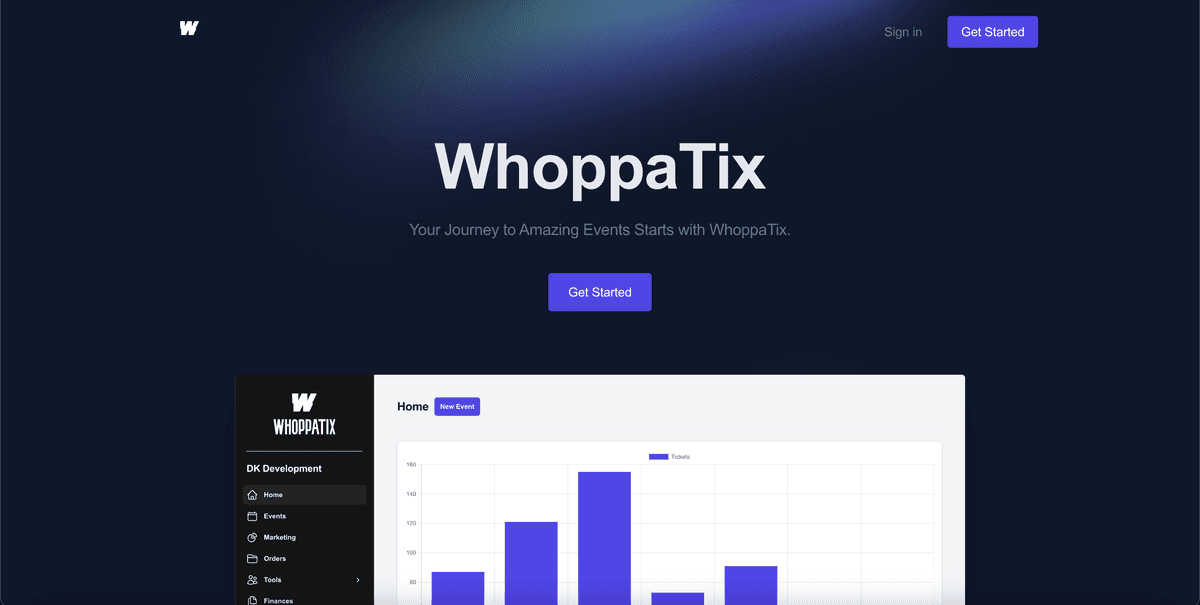
Real-time ticketing, secure checkout, and admin tooling for event organizers — shipped on Next.js and Stripe.
Read article

Learn how to leverage next/image and CDNs for effective image optimization, enhancing LCP and overall web performance.
Read article

Explore how to enhance Core Web Vitals on WordPress and decide if migration is necessary. Practical tips for performance optimization included.
Read article